RSS

Clear the Air with a New Furnace Filter

Breathe Easier By Doing This Simple Task

There are many tasks that need to be checked off your home maintenance list on a regular basis. Shoveling snow, mowing the lawn, and sweeping floors are just a few examples of basic home duties that help ensure your home is both functional and comfortable.

Another crucial home maintenance job that all homeowners should know about is changing the air filter in the furnace. Dust, dirt, hair, and other debris get trapped in the air filter. Over time, the filter can become clogged, restricting the flow of air through the filter and into the home. Not only does this reduce the air quality, but it also negatively impacts the efficiency of your heating and cooling system. Use this guide to learn more about air filters and find out how often you should change your home's air filter.

What Is an Air Filter?

There are two common types of home air filters, including spun fiberglass and pleated paper. The filters are designed to trap dust, dirt, pet hair, lint, mold, bacteria, and other contaminants.

By filtering these contaminants, a furnace's filter improves the air quality within a home, making it easier to breathe. This is especially important in homes with individuals that suffer from allergies or respiratory conditions.

The easiest way to find an air filter that is suitable for your home is to locate the filter that is already installed. Check the sides of the existing air filter to find the dimensions, then head online or to a local home improvement store to find an air filter that matches the listed dimensions.

How Often Should You Change an Air Filter?

When an air filter has been in use for a long period of time, it gradually begins to restrict the air flow through the heating and cooling system. This reduces the efficiency of the system, leading to higher heating and cooling bills. If the filter remains unchanged, it can even shorten the life of the furnace or air conditioner, so it's important to include air filter replacement on your list of recurring home maintenance jobs.

When you purchase a new air filter, check the manufacturer's recommendations to get a basic idea of how frequently to change the filter. On average, you should change a fiberglass air filter about once every 30 days, while you can leave a pleated air filter for about three to six months before needing to replace it.

If you're installing the air filter in a vacation home, cottage, or other property that isn't commonly used, you can usually wait a bit longer to replace the filter. Wait up to three months to change a fiberglass air filter and nine to 12 months before changing a pleated air filter.

Just keep in mind that every home is different. What may be a suitable air filter replacement frequency for one home might not be the right choice for every home. To get a better understanding of when to replace an air filter, consider the size of the home, number of people, number of pets, and whether there is anyone that has severe allergies or that smokes inside the home.

Replace the air filter to restore airflow, improve heating and cooling efficiency, and increase the air quality throughout the home. If you change the air filter and these problems persist, it's recommended to contact a professional HVAC technician to help address the root of the issue.

Read

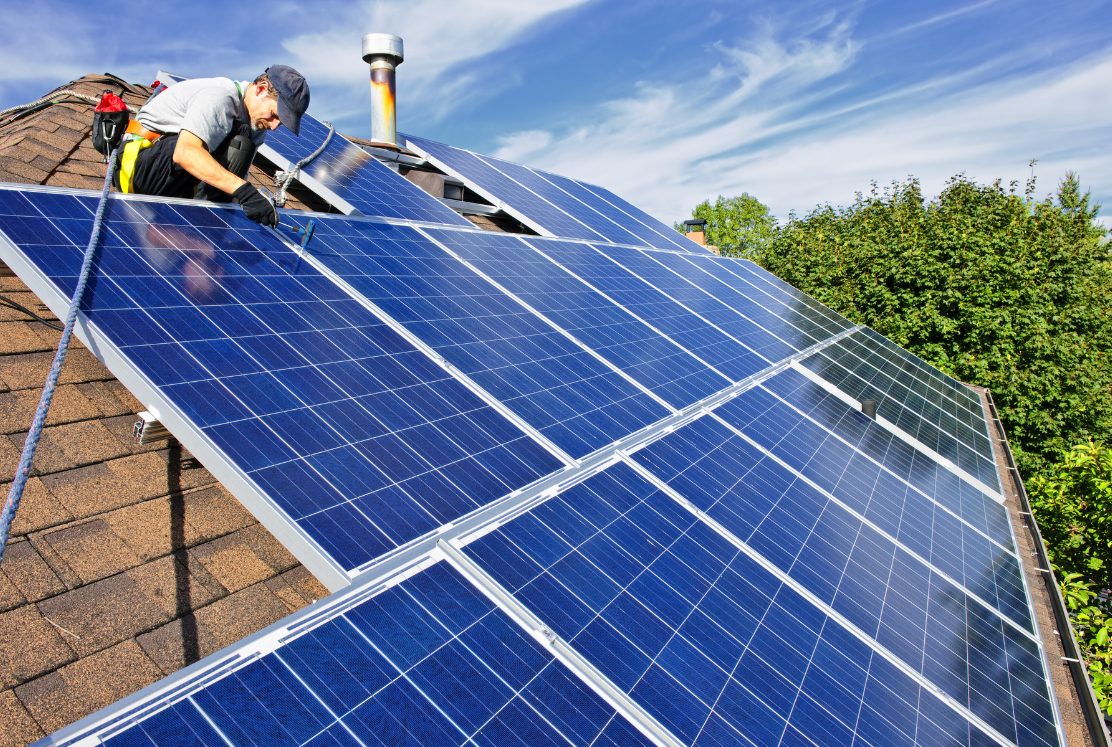
Solar Panels Are a Big Draw for Gen Z House Hunters

A U.S. study shows that some 70% of Gen Zers say they'd go over budget for a house with green upgrades - and solar panels are near the top of their wish lists.

Members of Gen Z (those born between 1997 to 2012) and millennials (between 1981 and 1996) are 27% more likely than Baby Boomers to buy a green home, according to a new survey from Payless Power, which provides prepaid energy in Texas.

According to the survey of more than 1,000 respondents, sustainable-home shoppers are clamoring for energy-efficient appliances (with 54% of respondents calling them a top choice); solar panels or LEED/Energy Star certification (49%); LED lighting (46%); and energy-conserving insulation (46%).

While demand for green features is increasing, Payless Power CEO Brandon Young said most homes are priced using comparables that don't fully consider such improvements, "thus reducing the incentive to make the investments."

"I challenge the housing industry to rethink how homes are valued to give proper consideration to improvements that reduce energy consumption, dependency on fossil fuels and, ultimately, ongoing costs for power," Young said.

Looking at more than 70,000 properties nationwide on the real-estate listing site Redfin, Payless Power found that residences tagged with a "green home" designation went for an average of $828,955, 41% more than the $589,227 brought in by comparable homes without the designation.

In some cities, eco-friendly features draw an even greater premium: In Detroit, green homes sold for an average of $321,989, or 180% more than traditional residences. Prospective buyers are also seeing green in Chicago, Philadelphia and Montgomery, Alabama.

Read

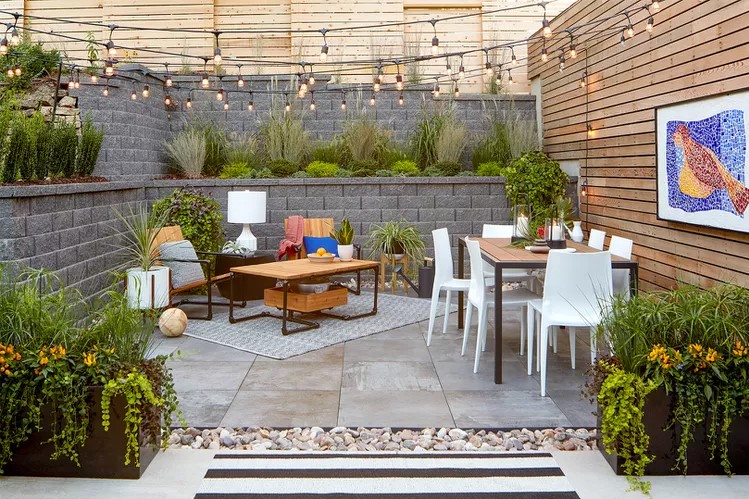
Gorgeous Ways to Decorate with String Lights

Light up the night with these savvy ways to use string lights in your outdoor space. 

Decorative string lights are one of the easiest updates you can bring to your porch or backyard. Patio light strings provide a cozy place to read a book in the summer and bring extra light to the party when the fire pit runs low. Plus, patio string lights set the mood and provide a little twinkle, rather than illuminate a space for functional reasons. Consider using them in conjunction with other outdoor light sources, such as candles on a dining table or pathway lights, to help keep people sure-footed. 

Decorative string lights also come in many different designs, including vintage-style Edison bulbs, sleek orbs, and even lanterns, so it's easy to find a strand (or several!) that fits your style. String lights are an inexpensive solution for giving dark patios a little extra twinkle. See all the different ways you can incorporate these fun outdoor light fixtures into your backyard. 

How to Hang Patio String Lights:
Before you can turn your backyard into a cozy oasis, you'll need to know how to hang outdoor string lights. First, look for battery-operated string lights or invest in a few extension cords if an outlet isn't within reach. Always be sure to use lights, extension cords, and other lighting equipment that is graded for outdoor use. When you're ready to hang string lights, drill screw eyes into a post, tree, or wall. Then, use small metal carabiners to attach the string of lights to the screw eyes. This will keep the lights from slipping off a simple hook in the event of wind or storms, and protect your patio from broken bulbs.

Choosing Outdoor String Lights:
There are dozens of varieties of outdoor string lights, so they aren't a one-size-fits-all decor item. When shopping for string lights, there are two main things to consider: Length and style. If you aren't sure how many strands you'll need, it's helpful to string a piece of yarn around the patio to get an exact measurement before you order anything. If you're lighting a small area, you might be able to use just one strand of long outdoor string lights. There are also many different styles of string lights, including clear bulbs, mini tin-can lights, and woven lanterns. There are also long-lasting LED versions so shop around to find a size and style that fits your space perfectly.

Read more

Read

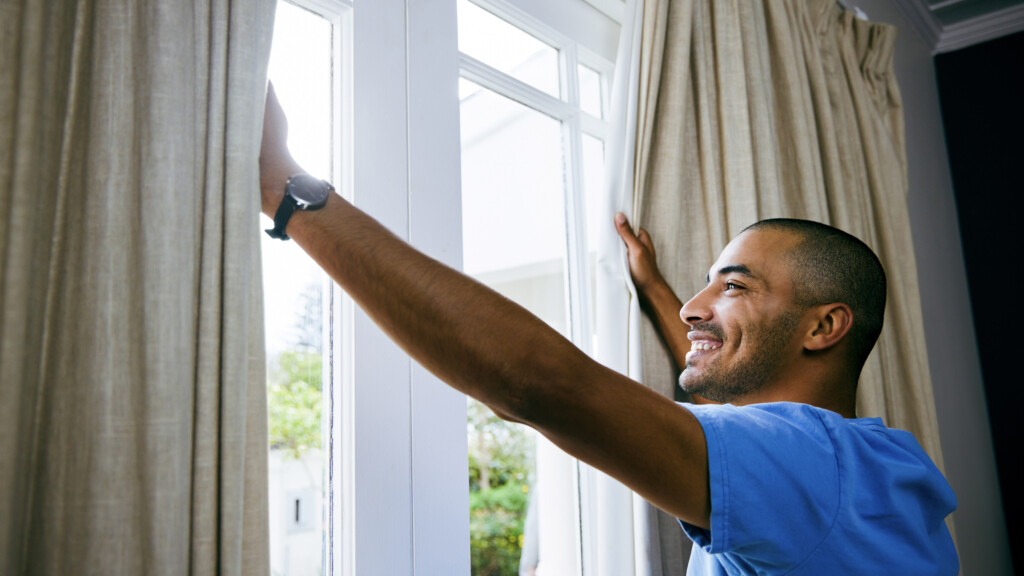
Is It Time to Replace Your Windows?

Investing in new windows is a big decision. It’s a large investment, after all. But if your home’s windows are showing signs of age, the cost of replacing them will go a long way for both the efficiency and value of your home.

Here’s how to tell if your windows need replacing:

Uncomfortable Drafts and Poor Efficiency. Drafts may be more evident in the winter when you can feel cold air seeping through; however, drafty windows are also letting heat in during the summer.

Visible Damage. Damage to windows isn’t always as obvious as cracked glass. Check the window frames for signs of water damage, mold, condensation or cracks.

Difficult to Open. Opening your windows shouldn’t be a Herculean task. Levers and cranks should move with ease.

Noise Pollution. Windows can’t provide total silence, but excess noise may be a sign that your windows are lacking insulation.

Is your home in need of upgrades? I can connect you with trusted local companies to get the job done. Get in touch!

Read More

Read

Locals Love - Goodman's Fine Foods

The newest bakery on Main Street has officially opened its doors and wait until you try their yummy baked goods.

This trendy spot offers a counter full of freshly baked goods (you gotta try the babka!), gorgeous cheeses and charcuterie along with some beautiful retail. Oh, and don’t forget @metropolis.coffeebar is also opening with a new addition to this space.

Stop by and check out all of the yummy treats or pick up something special for family and friends!

Address:185 Main St. S., Newmarket

Hours: 8:30 a.m. - 6:00 p.m.

Read

Real Estate MARKET UPDATE MAY 2023 EDITION

Toronto's Real Estate Market continued to get busier in May. The April statistics noted that resales jumped 27 percent from March (seasonally adjusted). A 6.5% rise in new listings gave buyers more option to bid on, but new Sellers only met rebounding demand partway.

Demand is up and inventory is still very low. Demand-supply conditions tightened for a fifth-straight month and now look as firm as they were before the market's downturn. This helped push the price recovers upward.

The GTA's MLS Home Price Index rose for the second consecutive month by 2.4% month-over-month in April and Robert Hogue, assistant chief economist RBC Economics, expects further increases will likely follow if conditions remain this tight. Good news for Sellers that have been waiting for the market conditions to pick up.

Sellers hold the key to the market's trajectory, according to Hogue. Much will depend on the number of new listings this Spring and if listings increase then we may see more balanced market conditions.

At this point in May, it's a very active Seller's Market in most areas. Buyers on the other hand are realizing now that prices are increasing that now is the time to Buy before prices increase further. There is definitely a more optimistic and positive outlook for both Buyers and Sellers and the Spring Market is busier than ever.

It's a great time to sell your house now that market conditions have finally turned the corner. If you are thinking of selling then please don't hesitate to reach out to us for a market analysis and to find out about our proven Marketing Strategy.

Best,

Jill Renshaw

Read

Real Estate  MARKET UPDATE  FEBRUARY 2023 EDITION


It's hard to believe that we are in the middle of February right now with the balmy weather that we have been experiencing. I know we have not seen the end of Winter (it always snows in April) but the spring like weather gives me hope for warmer days ahead. 

Last week I attended the Toronto Regional Real Estate Boards (TRREB) 2023 Market Outlook Housing conference. This year is being labelled as the year of two halves. The first half of the year homes sales are predicted to be on a relatively flat trajectory because of the lingering effects of higher borrowing costs and economic uncertainty. However, the 2nd half of 2023 we are expecting so see a downward trend in the interest rates and some economic certainty related to our resilient Labour market.

Listing inventory will continue to be a persistent problem in 2023 and because of the low inventory we are already starting to see some bidding wars again in some of the lower price ranges with multiple offers on some properties. If predictions are correct and inventory increases in the latter half of the year, then buyers will have more choice, and this will lead to more balanced market conditions.

There were a lot of home buyers and sellers that sat on the fence last year because of the volatility of the market and the increase in interest rates. This year, I predict that many of the home sellers that have been waiting for the market to settle will be more comfortable making the decision to sell their homes in 2023 in a more balanced market. Buyers will have more options as inventory increases and interest rates start to decline. Moving into more balanced market conditions is good news for both Buyers and Sellers. 

If you are thinking of Selling this year then don't hesitate to reach out for a Market Analysis of your home. If predictions are correct, then the first half of the year is the best time to Sell. I always strongly recommend listing in February/March because historically this has always been the best time to list - when inventory is low and the market has not started to pick up yet. Less competition means higher demand for homes!

As inventory increases in the 2nd half of 2023, Buyers will be moving off of the sidelines taking advantage of more choices and pricing should remain relatively stable. If interest rates start to drop, as expected then we may see a flurry of buying activity from Buyers that have been waiting for the perfect time to buy. 

Whether you are thinking of buyer or selling. Don't hesitate to contact us if you need some advise, we are always happy to help!


Best, 

Jill Renshaw

Read

Introducing Home Efficiency Rebate Plus: Now up to $10,000 back!

Recently, I took advantage of The Home Efficiency Rebate in my own home, and the experiece was quick, painless and very helpful! 

Enbridge Gas and the Canada's Greener Homes Grant have partnered to provide rebates towards eligible retrofits such as home insulation, windows and doors, heat pumps and renewable energy systems.

The new, co-ordinated Home Efficiency Rebate Plus program will help more Ontarians save energy at home. This is great news for residents across the province, including current Enbridge Gas customers who use natural gas to heat their homes and will benefit from enhanced rebates up to $10,000. Participants can also offset the cost of their EnerGuide home evaluation with an additional rebate of $600.

Step 1:

Call and schedule an initial home energy assessment with a licensed Registered Energy Advisor. A list will be provided to you upon completion of the questionnaire / HER+ webpage.

Step 2:

They'll provide a custom report with recommended upgrades.


Step 3:

Complete at least one eligible upgrade.

Step 4:

Schedule a follow-up home energy assessment.

Step 5:

Receive your rebate cheque, including up to $600 for the assessments.

Before you start any renovation work, you must complete a home energy assessment with a Registered Energy Advisor. Answer a few short questions to find a Registered Energy Advisor in your area. See how this program works.

Save with rebates for these high-impact upgrades:

List with checkmarks

Home energy assessments

Up to $600
The first step to determine which upgrades are right for your home.
Insulation icon

Home insulation

Up to $10,000
Improve comfort, reduce energy costs and prevent moisture damage with attic, foundation, wall and exposed floor insulation.
Weatherproofing

Air sealing

Up to $1,300
Eliminate drafts, improve air quality and save energy with draft proofing.
window

Windows and doors

Up to $325 for each
High-performance windows prevent condensation and eliminate drafts.
Water heater

Space and water heating

Up to $7,800
ENERGY STAR® certified hot water heat pumps use up to 70 percent less energy. Ground source, air source and domestic hot water heat pumps qualify.
Smart thermostat

Smart thermostats

Up to $125*
Boost comfort and reduce costs by saving energy automatically.
Solar panel

Solar panels

Up to $5,000
Generate your own power and reduce dependence on the grid. Solar panels and batteries qualify.
Basement insulation

Weatherproofing

Up to $1,625
Protect your home from climate change events, such as fires and floods.


Already enrolled in Home Efficiency Rebate or the Canada's Greener Homes Grant? Here’s what to do next.

Read

2023 Home and Design Trends to Watch
Sustainable design and warm, cozy spaces are on the rise in 2023.
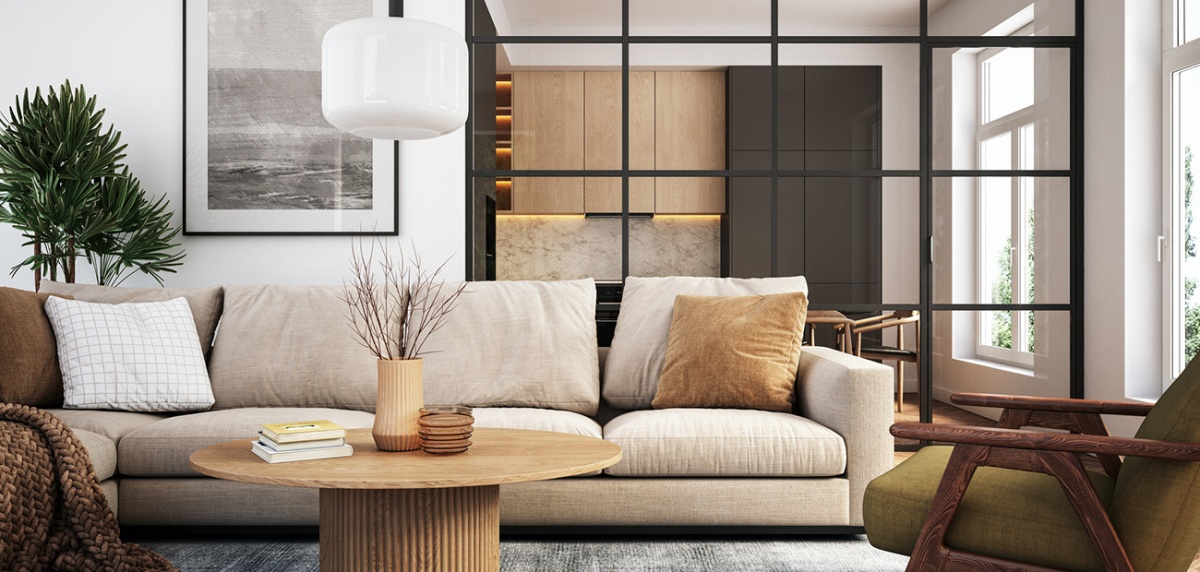
Modern living room

© CreativaStudio / Getty

While homeowners compile their holiday wish lists, we’ve compiled a list of 12 home and design trends experts think will be next year’s stars.

Architecture and design experts weigh in on what’s emerging in 2023. As the new year emerges, lifestyle changes due to the pandemic continue to hold strong. Cutting home expenses and conserving resources are top of mind for many. Move over, granite: These new countertop materials are coming in strong, and cozy comfort is taking the place of stark, minimalist design.

Home Office Updates

For many, hybrid work is here to stay, so home offices make the list, though changes are in order. Many crave some interaction, says Priscilla Holloway, a salesperson with New York City–based Douglas Elliman.

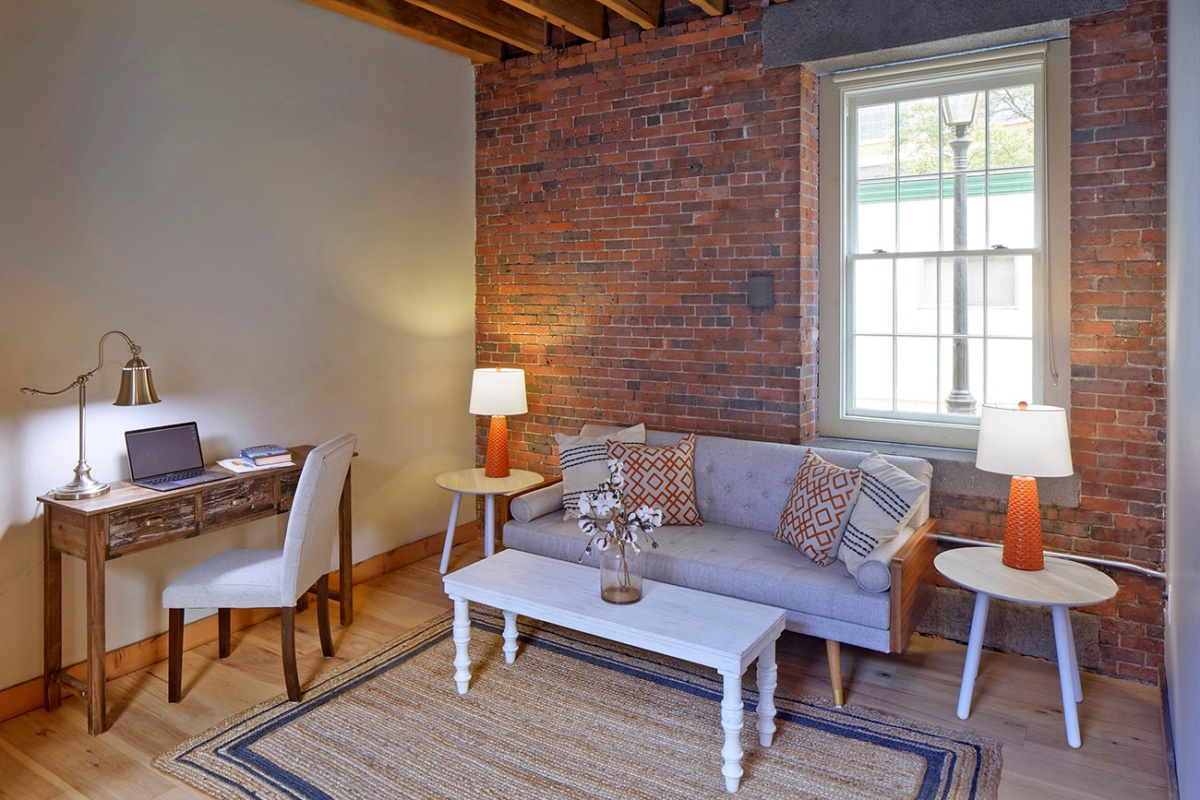
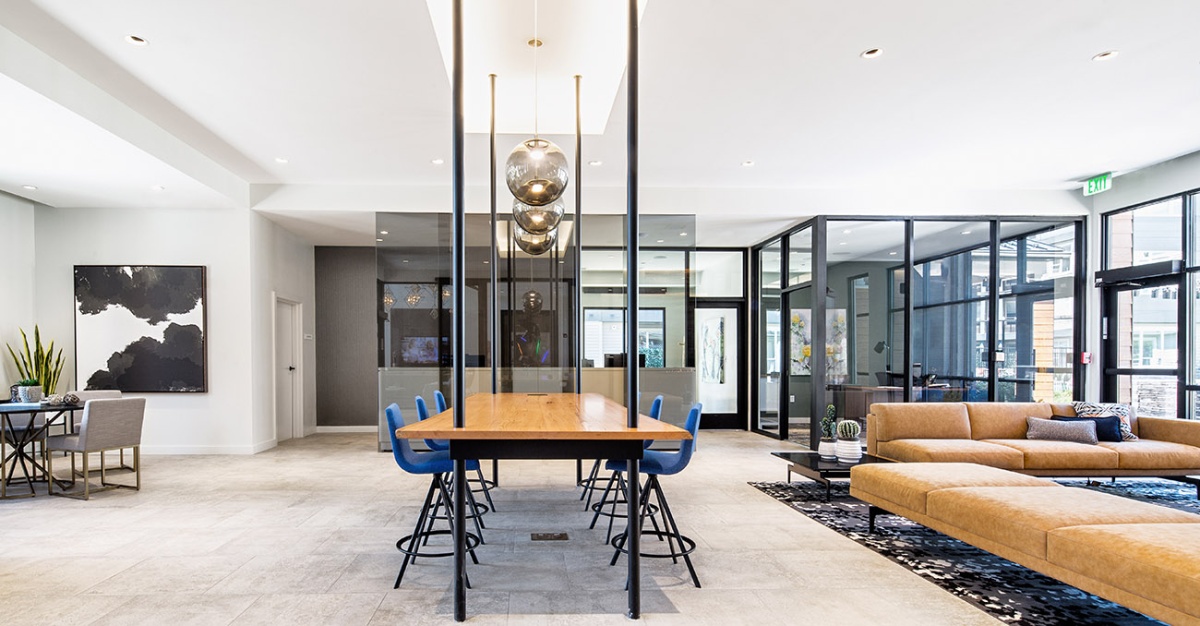
Architect Liz Peabody of Boston-based The Architectural Team says that open, partially open and glass-walled spaces are seen in houses as well as multifamily buildings’ common spaces and individual apartment units. Another change is that some offices are larger and have a window for a nice view, according to designers at The Plan Collection(link is external).

Why now? The pandemic changed how and where we work, and people are still figuring out what works best at home.

Home Office

© Ropewalk, Charlestown

Home Office

© Camille Maren, Avalon Saugus

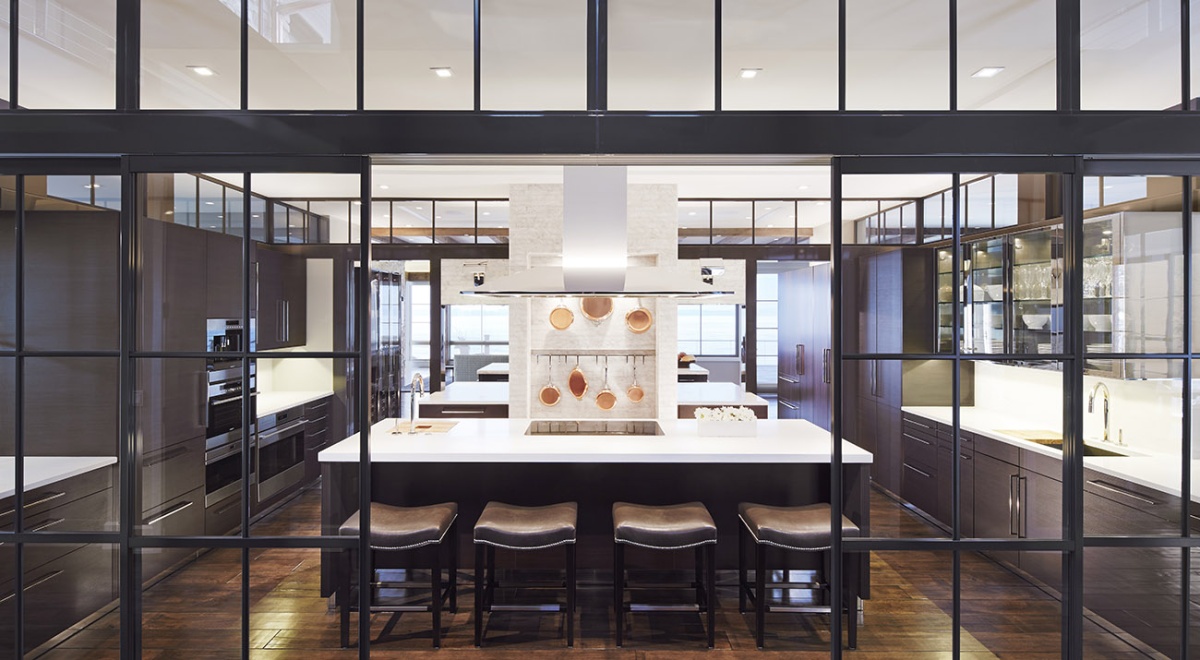
Induction Cooking

Though the change will be gradual, many homeowners are expected to switch to induction cooking from natural gas. Many are finding that their cookware is induction-safe, despite previously held beliefs, says Chicago kitchen expert Mick De Giulio of de Giulio Kitchen Design. Induction has many benefits: Water boils faster, food cooks quicker, and homeowners have more control of heat level calibration, he says. Additionally, the smooth surface is easier to clean.

Why now? Many cities are outlawing natural gas hookups in new homes and buildings to reduce fossil fuel emissions and better control environmental and climate challenges.

Kitchen Induction

© Dave Burk, Hedrich Blessing Photographers

Eco-friendly Design

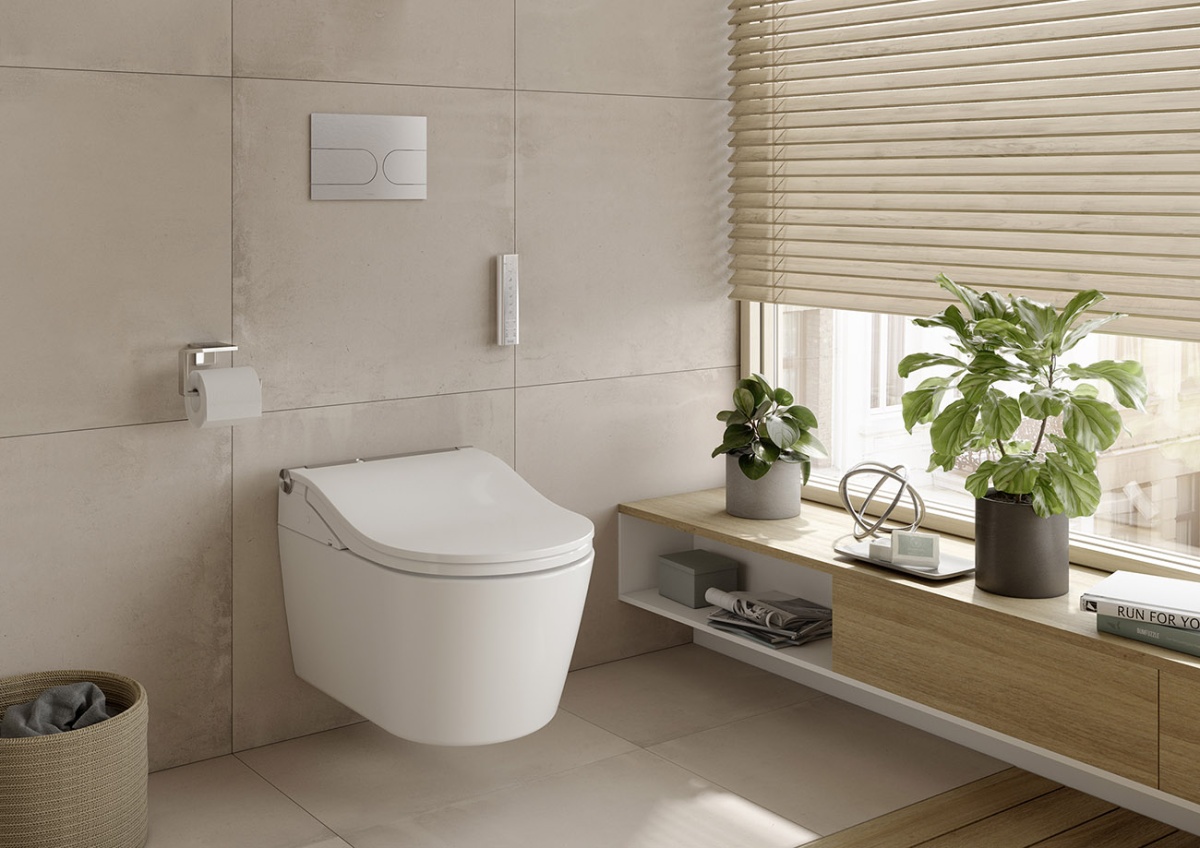
More real estate sites list eco-friendly design as a priority, from solar panels to energy-efficient windows, stronger builds that better resist severe weather, more tech features like programmable thermostats, gardening apps(link is external) and smarter, more environmentally friendly, hygienic toilets like Toto USA’s Washlet and bidet toilets. TOTO also manufactures domestically, reducing its products’ carbon footprints, says Bill Strang, president of corporate strategy, e-commerce and customer care. 

Why now? More homeowners know the importance of sustainable design due to climate change reports, how fossil fuels damage the environment and the importance of preserving resources.

Eco Design Toilet

© Toto U.S.A.

Cozier Comfort

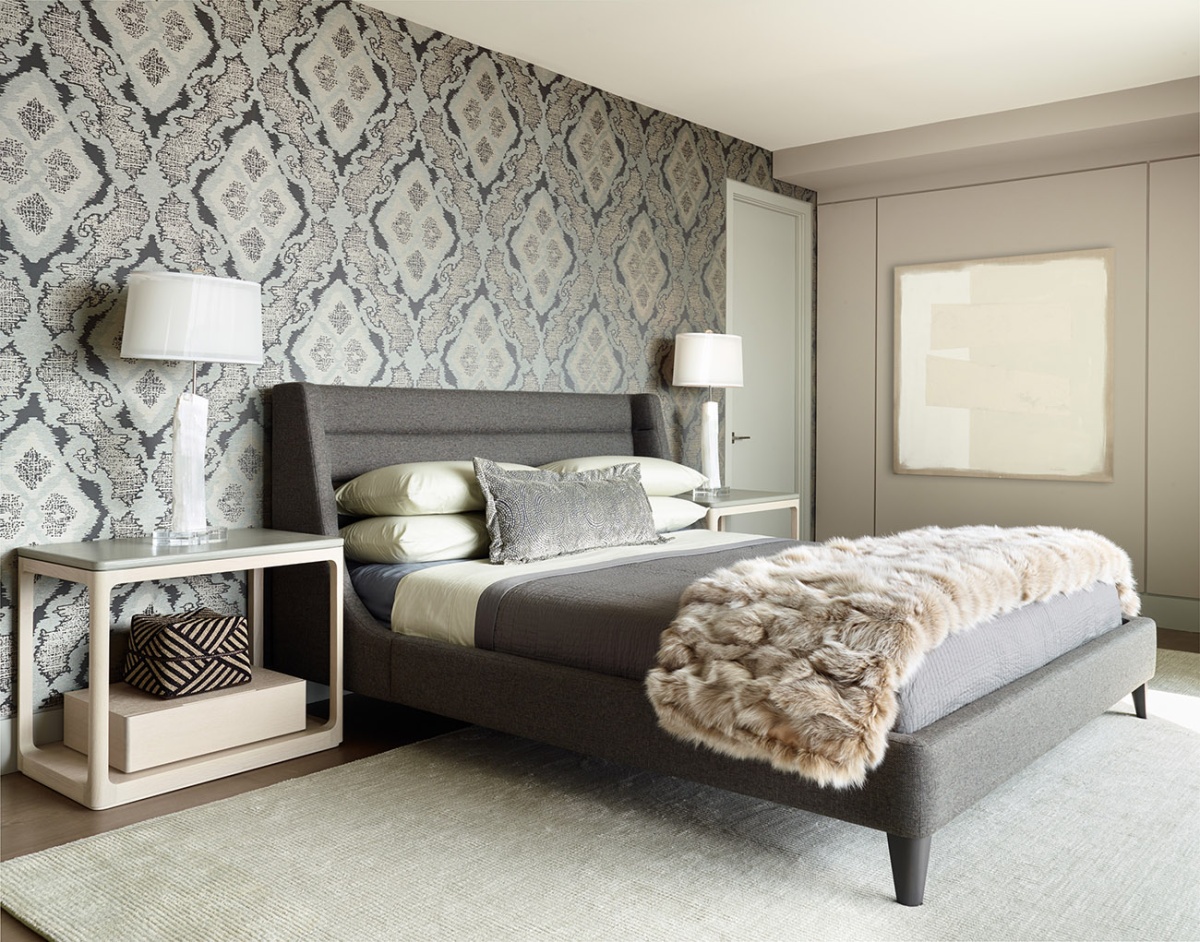
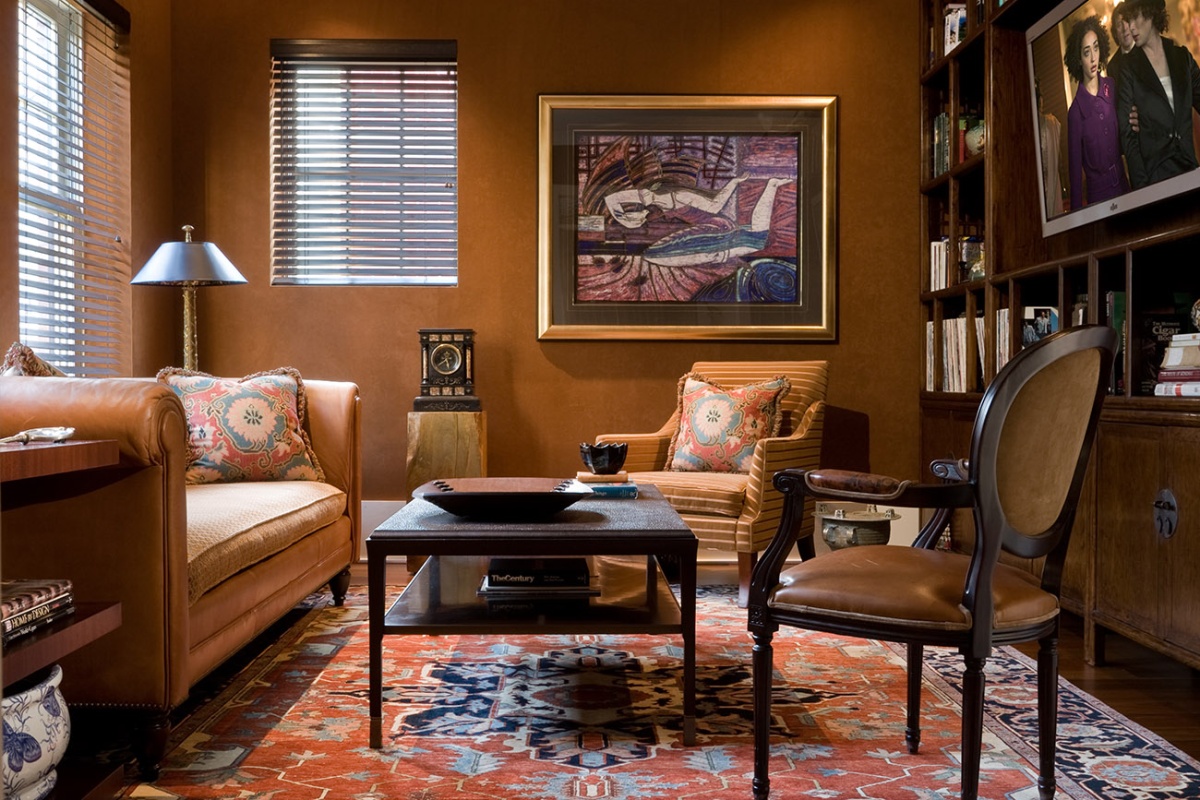
Tough times call for an antidote, and many are seeking a dose of comfort within the walls of their homes. The ebb and flow of COVID-19 in conjunction with other stressors has people wanting to feel as though they’re wrapped in a warm hug, says Chicago-based designer Tom Segal of Kaufman Segal Design. He suggests doing so with patterned wallpaper on both walls and ceilings. A tactile touch also works, he says. Think big, upholstered headboards; ’50s and ’60s lounge-style sections to sprawl, watch TV or eat; and colorful tufted or handwoven area rugs that resemble art.

Why now? Collective stress levels are at an all-time high, and people are finding they need a respite from the constant barrage of information available because of the digital age.

Cozy comfortable bedroom

© Daniel Kelleghan Photography

Cozy comfortable living room

© vaninwegen digital arts

More Natural, Personalized Interiors

The biophilic, natural look prevails in appeal because of the benefit nature provides. Homeowners want organic furnishings, live plants and warmer colors in the clay palette, says Gena Kirk, vice president of Design Studio at Los Angeles–based homebuilder KB Home. The latest iteration reflects interest in embracing memories through personalized design aesthetics that display mementos and heirlooms, Kirk says.

Why now? During the pandemic, homeowners opted for cleaner, minimalist interiors to set a clear boundary between personal space and the outside world. They now want to return to a new form of nesting, through an accumulation of textiles, warmer colors, new hardware and fabrics for a welcoming, natural environment to live, work and play, Kirk says.

Natural-looking kitchen

© KBLA Westport

Dekton and Neolith Surfaces

Every few years, a new countertop surface takes center stage as the best in terms of durability, sustainability, color or novelty. The latest “it” surfaces are newer “sintered” stones, a combination of minerals that form a solid surface that can’t be etched, scratched, burned or stained. Dekton and Neolith appeal because they resemble marble and other high-end surfaces and are resistant to fading, says Boston designer Jodi Swartz of KitchenVisions. Milwaukee designer Suzan Wemlinger adds that because the slabs are large, there’s less need for seams, and they can be used in outdoor kitchens without cracking in extreme temperatures.

Why now? New technology processes have led to the development of these stain-resistant, strong surfaces, and kitchen counter durability is nearly always top of mind for homeowners.

Neolith Kitchen

© Michael Lefebvre Photography

Affordable Design Choices

Instead of tempting buyers with fancy cabinets, finishes and appliances, more homebuilders are turning to affordability as a feature. “Good design is not about spending the most money but offering well-designed homes, sometimes without bells and whistles,” says Mary Cook, founder of Mary Cook Associates, a Chicago-based commercial interior design firm. Builders are displaying predesigned packages of cabinets, countertops, appliances and flooring that keep costs down. They’re also cutting square footage to show that buyers can live well in smaller homes, Cook says.

Why now? Higher interest rates have put a pause on buyer frenzy. “We went from crazy busy to crazy slow,” one homebuilder says. Now is the time to see how affordability and quality design come together.

Zero Emissions

Master-planned developments are taking the guesswork out of emission-free living. Developer Marshall Gobuty of Sarasota, Fla.–based Pearl Homes shows how with his 18-acre Hunter’s Point development, the first LEED Zero–certified community in the world, he says. “There’s no energy cost associated with the 86 single-family houses except for a $35 monthly maintenance fee from Florida Power,” he says.

Why now? With the pandemic and overall inflation, energy costs continue to soar. Also, sustainable development helps communities adapt to challenges posed by climate change and protects natural resources.

Zero emissions home

© Pearl Homes, Allan Mestel

In Multifamily: More EV, Fewer Additional Amenities

Few multifamily buildings are constructed without an EV charging station, says architect Peabody. Developers are including a handful and leaving infrastructure available to expand the number. At the same time, they are devoting less square footage to amenities since younger generations are less inclined to pay for features they may not use, especially after seeing how the pandemic shut down facilities. What most still want are lounges, coworking spaces and outdoor areas to exercise and unwind, Peabody says. Pet parks and spas still make the list as well, says Cook.

Why now? EV stations are essential as more people switch to electric vehicles. Just over half of passenger cars sold in the U.S. will be electric vehicles by 2030, according to Bloomberg(link is external).

EV charging vehicle

© The Architectural Team, Christian Scully and Modera Marshfield

Eco-friendly Lounge

© Ed Wonsek

Walkable, Affordable Boomer Living

More efforts are underway to create more options for the enormous boomer cohort as they age(link is external). Many want to give up owning a car, live where their location has a high walkability score and cut living costs by living in smaller, energy-efficient homes. One example is developer David Fox’s Passive House building in Northampton, Mass., to be completed in 2024; it will eliminate 80% of typical energy needs to heat and cool and be built with sustainable mass timber construction, solar panels, a community garden and a bicycle shed. The building’s 70 apartments will average 1,200 square feet; share a gym, lounge and roof area to exercise; and limit rent increases.

Why now? Boomers are the largest aging community to date, and as the country ages, more emphasis on how elders live is needed now.

Fire-Resistant Modules

On the east coast, building structures to withstand Category 5 hurricanes and floods are in high demand. On the west coast, however, San Diego–based modular builder Dvele focuses on manufacturing fire-resistant steel modular houses. The company started with 500-square-foot homes constructed from a single module design and now offers 4,000-square-foot homes from seven module designs. All are also highly energy-efficient due to self-powered solar panels, says Kellan Hannah, the company’s director of growth.

Why now? The National Interagency Fire Center statistics show that as of last October, almost 60,000 fires burned 7 million acres, above the 10-year average of 48,000 fires and close to 6 million burned acres. Fires are only worsening, meaning construction must adapt.

Fire-resistant home

© Dvele


What’s NOT Hot?    

Several once-popular design choices are losing appeal, primarily because they require high maintenance or aren’t functional for today’s busy routines, says Gena Kirk with homebuilder, KB Home. She suggests letting go of these four in the year ahead.

High Pile Carpet 

While soft, shaggy carpet styles make a statement, they are difficult to keep clean and aren’t practical, especially in households with kids and/or pets. 

Gray Cabinets 

Gray cabinets have been popular but are cooling off as more homeowners shift to warmer hues to make their spaces more welcoming. 

Standard Subway Tiles 

Standard-size white, horizontal subway tiles are still popular, but many now prefer larger 4-by-10 inch or 4-by-16-inch tiles that run vertically to draw eyes up and give an age-old design a fresh look.

Open Shelves 

Most struggle with clutter, so even though some love the open look above, others are opting for the traditional closed cabinets since they find it easier to keep stuff concealed. These days there are countless custom interior organization systems to arrange contents in a neat fashion.

Read

The December 2022 Market Watch Report has been released and according to the report, the Greater Toronto Area (GTA) housing market experienced a marked adjustment in 2022 compared to record levels in 2021. Existing affordability issues brought about by a lack of housing supply were exacerbated by sustained interest rate hikes by the Bank of Canada.

"Following a very strong start to the year, home sales trended lower in the spring and summer of 2022, as aggressive Bank of Canada interest rate hikes further hampered housing affordability. With no relief from the Office of the Superintendent of Financial Institutions (OSFI) mortgage stress test or other mortgage lending guidelines including amortization periods, home selling prices are adjusted downward to mitigate the impact of higher mortgage rates. However, home prices started levelling off in the late summer, suggesting the aggressive early market adjustment may be coming to an end," said new TRREB President Paul Baron.

Supply of new listings continues to be an issue which explains why prices seem to be stabilizing in recent months. Lack of supply has also affected the rental market as renting is becoming more popular in this environment of high-interest rates and we have seen double-digit rent increases.

All reports that I am reading, including the Royal Lepage 2023, Quarterly Forecast is predicting that the steep declines in pricing have reached an end and they are predicting more normal trends on the horizon. The median price of a home in Toronto is expected to decline by 2.5% in 2023, while the median price of a condominium is forecast to increase modestly by 1%.

Lack of supply is still a challenge and if you are thinking of selling then please keep in mind that the spring market starts early and we have already seen an uptick in listings in York Region. If you think you might be selling in the next 6 months then please don't hesitate to contact us for a current market evaluation of your home and to talk about a strategic marketing plan.

 Jill Renshaw, Broker 


Jill Renshaw 
Broker, Royal Lepage RCR Realty, Brokerage 
P   905-836-1212
M   416-209-9244
W   www.homestoview.ca 
E   jill@renshaw.com 
 
Subscribe for free:  Access to Real Estate Listings


Read

January 2023 Market Update

The December 2022 Market Watch Report has been released and according to the report, the Greater Toronto Area (GTA) housing market experienced a marked adjustment in 2022 compared to record levels in 2021. Existing affordability issues brought about by a lack of housing supply were exacerbated by sustained interest rate hikes by the Bank of Canada. 

"Following a very strong start to the year, home sales trended lower in the spring and summer of 2022, as aggressive Bank of Canada interest rate hikes further hampered housing affordability. With no relief from the Office of the Superintendent of Financial Institutions (OSFI) mortgage stress test or other mortgage lending guidelines including amortization periods, home selling prices are adjusted downward to mitigate the impact of higher mortgage rates. However, home prices started levelling off in the late summer, suggesting the aggressive early market adjustment may be coming to an end," said new TRREB President Paul Baron.

Supply of new listings continues to be an issue which explains why prices seem to be stabilizing in recent months. Lack of supply has also affected the rental market as renting is becoming more popular in this environment of high-interest rates and we have seen double-digit rent increases.

All reports that I am reading, including the Royal Lepage 2023 Quarterly Forecast, are predicting that the steep declines in pricing have reached an end and they are predicting more normal trends on the horizon. The median price of a home in Toronto is expected to decline by 2.5% in 2023, while the median price of a condominium is forecast to increase modestly by 1%.

Lack of supply is still a challenge and if you are thinking of selling then please keep in mind that the spring market starts early and we have already seen an uptick in listings in York Region. If you think you might be selling in the next 6 months then please don't hesitate to contact us for a current market evaluation of your home and to talk about a strategic marketing plan.


Read

Canada’s popular ski regions have posted double-digit year-over-year home price appreciation since the beginning of 2022!

House prices in Canada’s popular ski regions expected to dip 3% over the next year, despite year-over-year price gains

Single-family detached home price increased 15.1% in the first 10 months of 2022

  • B.C. ski region of Big White posts highest median price gain in single-family detached segment (45.5%) among regions surveyed
  • Quebec’s Mont-Tremblant region reports highest median price increase in condominium segment (44.4%) among regions surveyed
  • Southern Georgian Bay’s condominium prices record modest increase of 1.3% year-over-year in 2022, following more than 50% jump last year
  • 75% of U.S. border state citizens who own a Canadian recreational property transacted following the federal government’s announcement of a two-year foreign buyer ban

 According to the Royal LePage Winter Recreational Property Report released today, Canada’s popular ski regions have posted double-digit year-over-year home price appreciation[1] since the beginning of 2022, despite rising interest rates and price declines in the residential market. Nationally, in the first 10 months of the year, the median price of a single-family detached home increased 15.1% year-over-year to $1,042,700.

“While the rapid rise in interest rates, which began in March of this year, has caused many would-be buyers in the residential market to move to the sidelines, some recreational property purchasers – most notably in higher-end markets – have demonstrated a greater tolerance to increasing monthly mortgage costs,” said Pauline Aunger, broker of record, Royal LePage Advantage Real Estate. “Additionally, many buyers of secondary properties are able to leverage equity from their primary residence or may not require financing at all.”

All recreational regions surveyed recorded double-digit declines in the number of homes sold during the first 10 months of 2022, compared to the same period last year, when demand for properties reached historical highs. Royal LePage recreational property market experts across the country report more balanced conditions and an increase in inventory, compared to 2021. It is widely anticipated that further price growth is unlikely, as activity levels are expected to continue their decline.

“For most Canadians, owning a recreational property is a nice-to-have lifestyle option,” said Aunger. “In the current economic environment, it is not surprising that sales have declined. With recreational homes in greater supply and most staying on the market longer, those that remain in the market are facing less competition, compared to last year. While activity has moderated from the exuberant levels seen during the pandemic boom, demand for recreational properties remains healthy – both as primary and secondary residences. Even as offices reopen and international travel resumes, buyers with the ability to work remotely continue to permanently relocate into recreational communities in search of better work-life balance and access to the outdoors.”

In its 2022 federal budget released on April 7th, the Government of Canada announced that it will be implementing a two-year ban on non-Canadian citizens and non-permanent residents from purchasing residential property in the country.[2] The ban is slated to come into effect on January 1st, 2023. While vacation homes are expected to be exempt from this restriction, the announcement has had a significant impact on the buying intentions of U.S. citizens.

A recent Royal LePage survey of U.S. citizens living in border states,[3] conducted by Leger, found that 75 per cent of those who currently own a recreational property in Canada said that they made their purchase after the two-year foreign buyer ban was announced. Of those who purchased following the announcement, 77 per cent stated that the potential impacts of the ban on their ability to buy real estate in Canada after January 1st, 2023, influenced their decision to purchase before the end of this year.

Among those surveyed who do not currently own a recreational property in Canada, but plan to make a purchase, 67 per cent said that the current strength of the U.S. dollar has made them more inclined to buy a home north of the border. The primary reasons for wanting to buy a recreational property in Canada are multi-season usability (39%), for retirement purposes (38%), and for investment purposes (37%).

“Canada’s winter recreational regions are a draw for our neighbours to the south who are looking for a place to live and play in the winter months. The strength of the U.S. dollar, investment opportunities and relative affordability of recreational properties have enticed buyers from south of the border. With its world-class skiing resorts and picturesque winter landscapes, Canada will remain a desirable location for recreational buyers from all over the world,” said Aunger.

Royal LePage is forecasting that the median price of a single-family detached home in Canada’s recreational ski regions will decrease 3.0 per cent over the next 12 months to $1,011,451.

Data chart – Royal LePage 2022 Winter Recreational Property Report: rlp.ca/table_2022winterrecreationalreport 

Survey chart – 2022 Royal LePage Report on U.S. Recreational Property Buyers in Canada: rlp.ca/us-recreational-buyers-2022survey


REGIONAL SUMMARIES 

Quebec 

Mont-Tremblant (Mont-Tremblant, Saint-Faustin–Lac-Carré, La Conception)

The median price of a single-family detached home in  Mont-Tremblant’s recreational property market for the first 10 months of the year increased 23.5 per cent year-over-year to $500,000, while sales decreased 38.1 per cent. Meanwhile, the median price of a condominium increased 44.4 per cent year-over-year to $475,000. Sales in the condominium segment decreased 47.8 per cent in 2022.

For prospective buyers seeking a property slopeside or at mountain base, the current starting prices are around $1.2 million for a single-family detached home and $650,000 for a condominium.

Paul Dalbec, a chartered real estate broker with Mont-Tremblant Real Estate, a division of Royal LePage, says that the Mont-Tremblant real estate market is in the midst of transitioning from a seller’s market to a buyer’s market, which explains the sharp decline in sales. With interest rates moving higher, many potential buyers have adopted a wait-and-see attitude.

“The current slowdown should help shift the Tremblant housing market back to a more normal sales cycle,” Dalbec says. “I expect that in the coming months, slopeside luxury condos worth between $700,000 and $1 million, and single-family residences valued from $400,000 to $600,000 will be most affected by the price correction, as those properties appreciated much more during the pandemic.”

Dalbac says the announcement by the federal government in its April, 2022, budget speech of a ban on foreign housing investments in Canada may have dampened the spirits of some international buyers looking to purchase properties in Mont-Tremblant.

Royal LePage is forecasting that the median price of a single-family detached home in this region will decline by 10 per cent over the next 12 months.

Mont Saint-Sauveur (Saint-Sauveur, Morin-Heights, Piedmont)

The median price of a single-family detached home in Mont Saint-Sauveur’s recreational property market for the first 10 months of the year increased 19.7 per cent year-over-year to $562,500, compared to the same period in 2021, while sales decreased 32.8 percent. Meanwhile, the median price of a condominium increased 22.4 per cent year-over-year to $382,300. Sales in the condominium segment decreased 32.3 per cent in 2022.

For prospective buyers seeking a property slopeside or at mountain base, the current starting price is around $675,000 for a single-family home, and $395,000 for a condominium.

“The year 2023 should usher in better negotiating conditions between sellers and buyers,” predicts Éric Léger, chartered real estate broker with Royal LePage Humania, adding that sellers in the area have started reducing their asking price when the initial listing fails to attract buyers. “Buyers are showing more confidence, with many more of them making conditional offers – that’s something that had all but disappeared during the pandemic. Although the pandemic boom put many first-time buyers into competitive offer scenarios, the current demand comes from experienced buyers whose purchasing power is less affected by economic ups and downs.”

In the coming months, Léger expects to see a steady increase in supply in the region.

Royal LePage is forecasting that the median price of a single-family detached home in this region will decline 5.0 per cent over the next 12 months. 

Val Saint-Côme and Mont Garceau (Saint-Côme, Saint-Donat)

The median price of a single-family detached home in Val Saint-Côme’s and Mont Garceau’s recreational property market for the first 10 months of the year increased 17.9 per cent year-over-year to $435,000, compared to the same period in 2021, while sales dropped 36.3 per cent.

For prospective buyers seeking a property slopeside or at mountain base, the current starting prices are around $450,000 for a single-family detached home, and $300,000 for a condominium, although inventory is low in this segment.

“Properties in Lanaudière remain among the most affordable in Quebec’s ski regions, despite the significant increases of the past two years,” observes Éric Fugère, real estate broker with Royal LePage Habitations. “The current period should bring great opportunities for buyers, but even more importantly, time to choose wisely and negotiate fairly. Inventory is creeping up but remains limited, as potential sellers in the region – many of whom are secondary property owners – are waiting for economic conditions to improve and buyer demand to increase, before putting their homes on the market.”

Fugère emphasizes the importance of dealing with a real estate professional when selling or buying a recreational property, especially in the winter.

Royal LePage is forecasting that the median price of a single-family detached home in this region will decline 12.5 per cent over the next 12 months.

Bromont, Sutton (Sutton, Brome and Lac Brome) and Orford (Orford and Magog)

The recreational property markets in Bromont, Sutton and Orford posted uneven price changes during the first 10 months of the year . During this period, the median price of a single-family detached home in Mount Orford (Orford and Magog) increased 17.8 per cent year-over-year to $470,000. In Bromont and Mont Sutton (Sutton, Brome and Lac-Brome), median prices for single-family homes declined 3.0 per cent and 0.9 per cent, to $586,000 and $548,000 respectively, during the same period. Meanwhile, sales declined 25.3 per cent, 39.2 per cent and 12.7 per cent respectively, in Orford, Bromont and Sutton. During the same period, the median price of a condominium climbed 19.5 per cent year-over-year to $498,500 in Bromont, and 16.9 per cent year-over-year to $291,000 in Orford, while sales were down 12.5 per cent and 27.4 per cent, respectively.

For prospective buyers seeking a property slopeside or at mountain base, starting prices currently range from $650,000 to $950,000 for a single-family home and from $450,000 to $650,000 for a condominium.

“The runaway home price increases we saw in the Eastern Townships between 2020 and the first half of 2022 have resulted in a migration of demand toward less congested and less expensive markets,” explains Véronique Boucher, real estate broker with Royal LePage Au Sommet. “Some real estate markets like Bromont reached record high appreciation, which explains why prices have stabilized this year, to the benefit of other, more affordable areas a bit farther away, like Orford. In the condo market, demand for rental assets has contributed to price growth in recent years in Orford, due to the potential for additional income from short-term rentals, as well as strong resale value.”

Looking ahead to the new year, Boucher expects that price appreciation in 2023 will depend greatly on the number of new listings on the market. If there is more inventory, it could give buyers more leverage for negotiating. Given that interest rates will remain relatively high, prices should continue to taper off for the first half of the year.

Royal LePage is forecasting that the median price of a single-family detached home will decline 5.5 per cent in Bromont, 4.0 per cent in Sutton, and 3.0 per cent in Orford over the next 12 months.

Stoneham/Lac-Beauport (Stoneham-et-Tewkesbury, Lac Delage, St-Gabriel-de-Valcartier, Lac-Beauport) and Mont-Sainte-Anne (Beaupré, Sainte-Anne-de-Beaupré, Saint-Ferréol-les-Neiges, Saint-Joachim)

The median price of a single-family detached home near the ski slopes in Stoneham’s and Lac-Beauport’s recreational property market for the first 10 months of the year increased 15.9 per cent year-over-year to $475,300, while sales slipped 26.5 per cent.

For prospective buyers seeking a property slopeside or at mountain base, the starting price is currently around $700,000 for a single-family home, and $300,000 for a condominium.

The median price of a single-family detached home in Mont Sainte-Anne’s recreational property market for the first 10 months of the year increased 4.1 per cent year-over-year to $286,200, with sales decreasing 26.6 per cent. Meanwhile, the median price of a condominium in the region increased 16.0 per cent year-over-year to $145,000. Condominium sales increased 10.4 per cent during the same period.

For prospective buyers seeking a property slopeside or at mountain base, the starting price is typically $700,000 for a single-family home, and $300,000 for a condominium.

“The runaway growth in recreational property prices over the past two years was bound to come to an end,” says Marc Bonenfant, chartered real estate broker with Royal LePage Inter-Québec. “We’ve entered an adjustment phase in the recreational areas of the Capitale-Nationale region, and we should soon see more balance between supply and demand. That means prices will continue to soften through the rest of this year and well into 2023. We will likely see selling times continue to lengthen, although days on market remain below average for the region over the past decade.”

Royal LePage is forecasting that the median price of a single-family detached home will decline 10.0 per cent in the Stoneham/Lac-Beauport market, and 8.0 per cent in the Mont-Sainte-Anne market over the next 12 months.

Data chart – Royal LePage 2022 Winter Recreational Property Report: rlp.ca/table_2022winterrecreationalreport 

Survey chart – 2022 Royal LePage Report on U.S. Recreational Property Buyers in Canada: rlp.ca/us-recreational-buyers-2022survey 

Ontario

Southern Georgian Bay (Collingwood/Meaford/Thornbury)

The median price of a single-family detached home in Southern Georgian Bay’s recreational property market for the first 10 months of the year increased 11.3 per cent year-over-year to $890,000. Meanwhile, the median price of a condominium increased 1.3 per cent to $679,000 during the same period; a sharp contrast to 2021, when condominium prices rose more than 50 per cent year-over-year. For those looking to buy a house slopeside or at mountain base, prices typically start at $1,500,000. Total sales were down 27 per cent year-over-year in the region, following historic sales volumes in 2021.

“While the number of homes coming onto the market has increased, we are seeing a notable decline in sales activity. The number of days a property typically stays on the market has risen by about 30 per cent since the beginning of the year, settling back to pre-pandemic levels as the buying boom comes to an end,” said Desmond von Teichman, broker, Royal LePage Locations North. “Still, demand remains strong. We continue to see a number of residents with remote working capabilities permanently relocating to the region from the Greater Golden Horseshoe in search of more affordable real estate and better work-life balance. While this trend has slowed, we don’t imagine that it will end soon.”

The short-term recreational rental market has been under pressure as of late, added von Teichman. With global travel having resumed once again, seasonal rentals face diminishing demand and increasing supply as Canadians choose to vacation abroad. The effects of higher inflation, rising mortgage rates and the increased cost of living have also weakened demand on rentals, as many Canadians cut back on discretionary spending. While there has been a slight decrease in demand for luxury properties compared to 2021, von Teichman added that this segment of the market has outperformed the overall market this year.

“Given its convenient proximity to the GTA, Southern Georgian Bay’s real estate market is largely driven by demand from within Ontario,” said von Teichman. “Urban buyers may be somewhat cushioned from the impacts of rising interest rates here, as funds acquired from selling their properties in high-priced surrounding areas tend to stretch farther and boost their buying power.”

Market activity is largely motivated by local demand from nearby cities. However, Ontario remains a desirable destination for U.S. purchasers. Forty-three per cent of U.S. citizens living in border states who currently own a recreational property in Canada have purchased a home in Ontario. Of those who plan to purchase a recreational property in Canada, 48 per cent say they intend to purchase in the province.

Royal LePage is forecasting that the median price of a single-family detached home in Southern Georgian Bay will increase 5.0 per cent over the next 12 months, as the market continues its return to pre-pandemic seasonal trends.

Data chart – Royal LePage 2022 Winter Recreational Property Report: rlp.ca/table_2022winterrecreationalreport 

Survey chart – 2022 Royal LePage Report on U.S. Recreational Property Buyers in Canada: rlp.ca/us-recreational-buyers-2022survey 

Alberta

Canmore

The median price of a single-family detached home in Canmore’s recreational property market for the first 10 months of the year increased 23.6 per cent year-over-year to $1,588,900, while the median price of a condominium increased 5.9 per cent to $663,400. Total sales were down 41 per cent year-over-year in the region.

“After a record year in 2021, sales have trended back towards long-range historic norms. We have been in a seller’s market for several years, but have recently begun to show signs that we are edging towards a more balanced market in some segments,” said Brad Hawker, associate broker, Royal LePage Solutions. “Inventory has remained at similar levels this past year, which is still well below typical numbers, putting continued upward pressure on prices. Sellers can be reluctant to list their homes in the region, as there is limited inventory of recreational properties to upgrade into.”

Like many recreational markets, Canmore continues to see buyers with remote working capabilities relocate into the community, Hawker added. Although relocation inquiries have reduced, as offices recall employees back to fully-in-office or hybrid work arrangements, Hawker predicts that the work-from-home option will exist for the foreseeable future, adding pressure to the market alongside increased demand from retirees.

“Many Canmore buyers do not require financing. As a result, rising interest rates are not having as significant an impact on our market, compared to other regions. While I do expect prices to soften over the coming year, declines will be modest,” said Hawker. “The impact of higher borrowing costs on the overall economy, however, is causing some buyers to take a wait-and-see approach. Most buyers in this market have the luxury of time, and are waiting to see how things unfold.”

Royal LePage is forecasting that the median price of a single-family detached home in Canmore will decrease 4.0 per cent over the next 12 months, as sales are expected to return to the 10-year average for the region.

Data chart – Royal LePage 2022 Winter Recreational Property Report: rlp.ca/table_2022winterrecreationalreport 

Survey chart – 2022 Royal LePage Report on U.S. Recreational Property Buyers in Canada: rlp.ca/us-recreational-buyers-2022survey 

British Columbia

Whistler

The median price of a single-family detached home in Whistler’s recreational property market for the first 10 months of the year increased 14.8 per cent year-over-year to $3,648,200, while the median price of a condominium increased 9.7 per cent to $673,300. For those looking to buy a house or condominium slopeside or at mountain base, prices typically start at $2,000,000 and $600,000, respectively. Total sales were down 35 per cent year-over-year in the region.

“In addition to skiing, summer activities such as biking and golfing – coupled with people’s overall desire to be outdoors in nature – make Whistler a popular year-around recreational destination that attracts both regional and international luxury buyers,” said Frank Ingham, associate broker, Royal LePage Sussex. “Home sales have decreased significantly, compared to the pandemic buying boom. And, demand for properties in the area remains strong, although muted compared to last year. Potential buyers today have more choice and more time to sign a deal, as inventory continues to increase along with the average days on market.”

Whistler, which is exempt from British Columbia’s speculation and vacancy tax, has long been a draw for high-end property buyers from all over the world, including many from Seattle, Washington. Thirty-two per cent of U.S. citizens living in border states who currently own a recreational property in Canada have purchased a home in British Columbia. Of those who plan to purchase a recreational property in Canada, 33 per cent say they intend to purchase in the province.

Royal LePage is forecasting that the median price of a single-family detached home in Whistler will decrease 10.0 per cent over the next 12 months, as sales are expected to continue their downward trend, resulting in a surplus of available supply.

Invermere

The median price of a single-family detached home in Invermere’s recreational property market for the first 10 months of the year increased 4.8 per cent year-over-year to $627,500, while the median price of a condominium increased 22.2 per cent to $275,000. For those looking to buy a house or condominium slopeside or at mountain base, prices typically start at $525,000 and $250,000, respectively. Total sales were down 33 per cent year-over-year in the region.

“Invermere is beginning to shift from a strong seller’s market towards a more balanced one. Desirable properties that are well-priced continue to sell quickly, but we are not seeing the same level of demand that we did in 2021. The decline in sales volume directly correlates with the rise in interest rates this year,” said Barry Benson, broker, Royal LePage Rockies West Realty. “Although we have not seen a meaningful rise in resale listings this year, the number of recreational properties available for short-term lease has increased, as many homeowners look to the rental market as a revenue source to offset rising borrowing expenses.”

Over the last year, buyer demand from young couples and retirees in search of affordable housing and a higher quality of life has remained stable. Invermere’s proximity to Calgary makes it an especially attractive option for Alberta buyers who are looking for greater work-life balance, Benson added. While Invermere will continue to see demand for recreational homes and short-term rental properties that offer access to year-round leisure, sales volumes are expected to trend back down to pre-pandemic levels over the next year, from historic highs in 2021, resulting in lower home prices. Low inventory levels will assist in keeping the market competitive and preventing large price reductions.

Royal LePage is forecasting that the median price of a single-family detached home in Invermere will decrease 7.5 per cent over the next 12 months.

Revelstoke

The median price of a single-family detached home in Revelstoke’s recreational property market for the first 10 months of the year increased 13.3 per cent year-over-year to $850,000, while the median price of a condominium increased 36.6 per cent to $778,500. For those looking to buy a house or condominium slopeside or at mountain base, prices typically start at $5,000,000 and $900,000, respectively. Total sales were down 18 per cent year-over-year in the region.

“Property sales have slowed since hikes to interest rates began earlier this year, with first-time buyers and those with tighter budgets the most affected by rising borrowing costs. Still, this will be the second-best year for Revelstoke on record,” said Don Teuton, broker and owner, Royal LePage Revelstoke. “The market is more balanced compared to last year. Potential buyers find themselves in a much less competitive environment, as demand has dampened. While higher home prices and a shortage of inventory continue to be a challenge, price gains recorded since the start of the pandemic boom are unlikely to be sustained.”

Teuton added that homebuyers from outside the region continue to cash in on their existing properties and relocate to Revelstoke in search of a more balanced lifestyle, including some from other higher-cost recreational communities. Despite the current strength of the U.S. dollar, demand from international buyers has been dampened by pandemic fears and travel restrictions. However, Teuton expects that this trend will reverse in the coming years.

Thirty-two per cent of U.S. citizens living in border states who currently own a recreational property in Canada have purchased a home in British Columbia. Of those who plan to purchase a recreational property in Canada, 33 per cent say they intend to purchase in the province.

Royal LePage is forecasting that the median price of a single-family detached home in Revelstoke will decrease 10.0 per cent over the next 12 months, as further interest rate hikes and continued economic uncertainty are expected.

Mount Washington/Comox Valley 

The median price of a single-family detached home in the Mount Washington/Comox Valley region’s recreational property market for the first 10 months of the year decreased 5.6 per cent year-over-year to $850,000, while the median price of a condominium increased 18.8 per cent to $475,000. For those looking to buy a condominium slopeside or at mountain base, prices typically start at $300,000. Total sales were down 71 per cent year-over-year in the region, as a result of record low inventory that has reached near-zero levels over the past six months.

“The sense of urgency has disappeared from Mount Washington/Comox Valley’s housing market, resulting in healthier, more balanced conditions for buyers and sellers,” said Rick Gibson, sales representative, Royal LePage in the Comox Valley. “Home prices have leveled off since the end of June. As leaseholds and cash buyers are common in this market, the region is somewhat sheltered from the impacts of rising interest rates.

“Mount Washington is an all-season destination, where residents can enjoy alpine activities in the winter, and beaches, golf courses and hiking in the summer,” Gibson added. “If inventory were to increase, I expect sales would rise in tandem.”

Gibson added that a lack of convenient transportation options, such as flights to and from adjacent states, prevents many interested U.S. buyers from purchasing in the region.

Royal LePage is forecasting that the median price of a single-family detached home in MountWashington/Comox Valley will increase 8.0 per cent over the next 12 months, as extremely low inventory is expected to put continued upward pressure on prices in 2023.

Sun Peaks 

The median price of a single-family detached home in Sun Peaks’ recreational property market for the first 10 months of the year increased 13.0 per cent year-over-year to $1,540,000, while the median price of a condominium increased 26.6 per cent to $504,500. For those looking to buy a house or condominium slopeside or at mountain base, prices typically start at $1,350,000 and $320,000, respectively. Total sales were down 25 per cent year-over-year in the region, which is located outside Kamloops, British Columbia.

“Although year-over-year sales are down and available inventory has decreased slightly, home prices have noticeably climbed this past year. Some of the heat has been taken out of the market compared to the 2021 activity levels, although it remains favourable to home sellers,” said Kyle Panasuk, sales representative, Royal LePage Westwin Realty. “We continue to see a desire for home office space from buyers who can work remotely. The local school, skating rink and access to ski-in, ski-out amenities at Sun Peaks are a draw for many local purchasers, as well as remote workers from outside the region looking to relocate to the community full-time.”

Panasuk added that the short-term recreational rental market has continued to perform well in Sun Peaks. Rising interest rates – which have impacted the buying power of both recreational and principal property buyers – may encourage some homeowners to rent out their properties to recoup some of their monthly expenses.

Royal LePage is forecasting that the median price of a single-family detached home in Sun Peaks will increase 8.0 per cent over the next 12 months.

Big White 

The median price of a single-family detached home in Big White’s recreational property market for the first 10 months of the year increased 45.5 per cent year-over-year to $1,600,000, while the median price of a condominium increased 11.1 per cent to $500,000. For those looking to buy a house or condominium slopeside or at mountain base, prices typically start at $900,000 and $400,000, respectively. Total sales were down 33 per cent year-over-year in the region, located outside of Kelowna, British Columbia.

“Transactions at the upper end of the market are largely responsible for the dramatic price increases in the single-family segment, as Big White continues to attract luxury recreational property buyers. However, demand has slowed over the last year as buyers adjust to the rising interest rate environment and sellers feel less urgency to list their properties,” said Andrew Braff, sales representative, Royal LePage Kelowna. “As activity moderates, we are seeing fewer multiple-offer scenarios compared to last year.”

Braff noted that luxury property owners are less impacted by changes in the market, and are more likely to keep their properties in the family long-term, for several generations to enjoy.

In addition to local buyers, the world-renowned ski region attracts demand from across the border and around the globe. However, pandemic travel restrictions over the last two years have forced some international homeowners to visit their recreational properties less frequently.

Thirty-two per cent of U.S. citizens living in border states who currently own a recreational property in Canada have purchased a home in British Columbia. Of those who plan to purchase a recreational property in Canada, 33 per cent say they intend to purchase in the province.

Royal LePage is forecasting that the median price of a single-family detached home in Big White will increase 7.0 per cent over the next 12 months.

Data chart – Royal LePage 2022 Winter Recreational Property Report: rlp.ca/table_2022winterrecreationalreport 

Survey chart – 2022 Royal LePage Report on U.S. Recreational Property Buyers in Canada: rlp.ca/us-recreational-buyers-2022survey


Royal LePage Royalty-Free Media Assets:

Royal LePage’s media room contains royalty-free assets, such as images and b-roll, that are free for media use.

About the Royal LePage Winter Recreational Property Report 

The 2022 Royal LePage Winter Recreational Property Report compiles insights, data and forecasts from 16 popular ski regions. Median price and sales data was compiled and analyzed by Royal LePage for the period between January 1, 2022 and October 31, 2022 and January 1, 2021 and October 31, 2021. Data was sourced through local brokerages and boards in each of the surveyed regions. Data availability is based on a transactional threshold and whether regional data is available using the report’s standard housing types.

About the Leger survey

An online survey of 1506 U.S. citizens over the age of 18 living in border states (Maine, New York, Vermont, Pennsylvania, Michigan, Ohio, Wisconsin, Minnesota, North Dakota, Montana, Washington, New Hampshire, Idaho, Oregon, Massachusetts, Indiana and Illinois) was completed between November 8th to November 14th, 2022, using Leger’s online panel. No margin of error can be associated with a non-probability sample (i.e. a web panel in this case). For comparative purposes, though, a probability sample of 1506 respondents would have a margin of error of  +/-2.5% on n=1500.

Read
This website may only be used by consumers that have a bona fide interest in the purchase, sale, or lease of real estate of the type being offered via the website. The data relating to real estate on this website comes in part from the MLS® Reciprocity program of the PropTx MLS®. The data is deemed reliable but is not guaranteed to be accurate.